


Adlerian Play Therapy: Understanding the Connection Between Behavior, Belonging, and Emotional Needs
by Lauren Beer, tLMFT
Hey, parents. Let’s talk about what really happens in the playroom.
If you’ve been feeling overwhelmed by your child’s big feelings and behaviors, and you’ve considered therapy as a final effort to change the pattern you are probably feeling stuck in, I want you to take a deep breath. It’s not just you! When parents first walk into a therapy office, they’re often exhausted, feeling defeated, and asking a very honest question: “how is playing with toys going to fix this?”
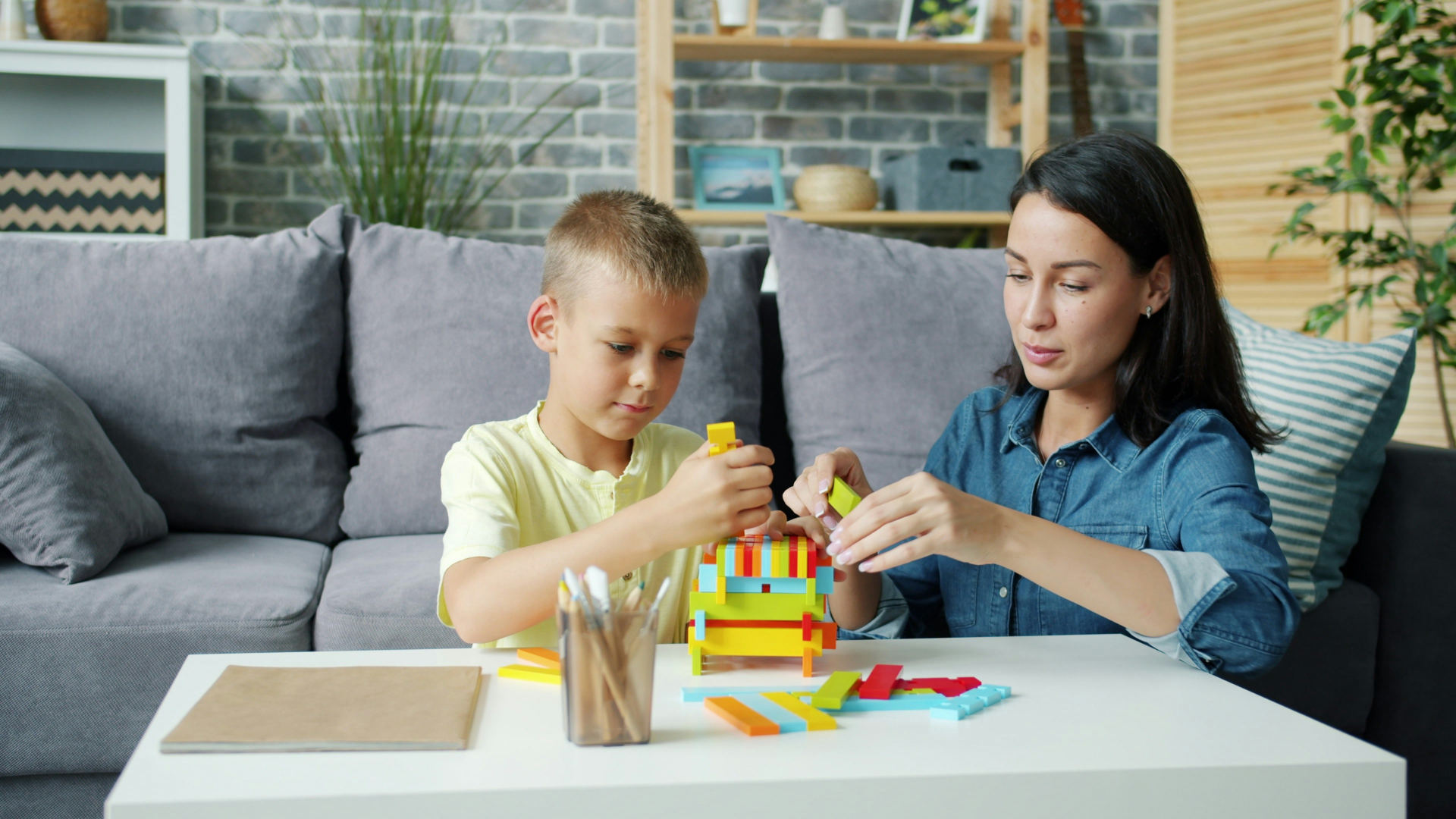
It’s a completely fair question. To adult brains, a playroom looks like a mess of blocks, puppets, art supplies, dolls, and figurines. But to a child, that room provides them a whole new language and ability – a place where they can speak, express, and process without actually using words. A lot of times, the words they need to find are often words they may not even be able to access or understand yet. Play allows them to communicate anyway.
While there are many ways to approach therapy with children, my favorite approach is called Adlerian Play Therapy. Let’s talk about what it is, why I like it, and why it can be life-changing for your family.
What is Adlerian Play Therapy?
Adlerian Play Therapy is a collaborative counseling method designed for kids, usually between the ages of 3 and 10– but it can be effective for just about any child that likes to play. It was created by Dr. Terry Kottman (a fellow Iowan!) who combined the power of play with medical doctor and psychotherapist Alfred Adler’s work.
In the shortest form, this approach believes every single child has a deep, innate need to belong and feel significant.
When kids feel securely connected to their family and peers, they tend to thrive. When they feel unseen, discouraged, or powerless, they tend to form mistaken beliefs about how to fit in. Because a seven-year-old can’t sit on a couch, look at their parent and say, “Hey mom, I’m throwing this tantrum because I feel disconnected and helpless right now,” they use play to show us instead. Misbehavior isn’t rooted in malice, it’s a discouraged child trying to solve a problem or meet a need in whatever way they know how.
Alfred Adler established these ideas over a century ago, but Dr. Kottman realized that traditional Adlerian talk therapy didn’t work for developing minds. Kids need action and expression.
What Actually Happens in the Playroom?
As a child therapist that takes an Adlerian approach, I don’t just sit in the corner with a clipboard; you’ll find me on the floor, actively engaged with your child. Sometimes I let your child completely lead the way, and other times I’ll introduce specific activities, scenarios, toys, or games. Both of these session structures help me learn more about the way your child perceives themselves and the world around them.
Through play, I pay close attention to the characters your child creates and the worlds they build. The toys on the playroom shelf aren’t random; they are carefully curated to help children express what’s really going on in their relationships, provide a safe space to release anger and feel power, and let them conquer their fears through play. Through repeated sessions, therapist and child build a trusting bond, explore how they view their world, help them see their own patterns, and practice new ways to handle big emotions.
Benefits for the Whole Family
Because Adlerian Play Therapy seeks to identify the root cause of a child’s discouragement rather than just punishing the surface behavior, the changes we see last. Using the Crucial C’s (Adler’s four pillars of secure children/adults), kids learn to solve their own problems, use their voice, believe in their innate worth, and try again when things don’t go their way.
When a child realizes they don’t need to choose activated, reactive behavior to feel powerful, or shut down to protect themselves, their behavior begins to change. Kids then look to genuine, cooperative connection to meet their needs when they feel seen, safe, and soothed.
How Parents Play their Part
As a parent working with an Adlerian play therapist, you aren’t left out of the process. Parents are vital partners in their child’s therapy, and no child can change their whole behavioral pattern without change in the environment they exist within. Together, we can figure out how to swap praise for encouragement at home, and find new ways to build up your child’s Crucial C’s. We work as a team to support your child.Is Your Child a Good Fit for Adlerian Play Therapy?
If your child is struggling with big life transitions (like a divorce or a new sibling), experiencing school anxiety, showing aggressive outbursts, or withdrawing into themselves, Adlerian Play Therapy offers a gentle, child-centered, effective way to navigate these challenges.
The bottom line of play therapy: play is a child’s work. By joining them on the playroom floor, and giving them space for expression, we don’t just find a bandaid fix for a certain, undesired behavior—we show them that they are seen, valued, and capable of growing through their challenges and responding in different ways.