


Child Therapy and Neurodiversity
When children experience big emotions, life transitions, or behavioral hurdles, they often lack the complex verbal skills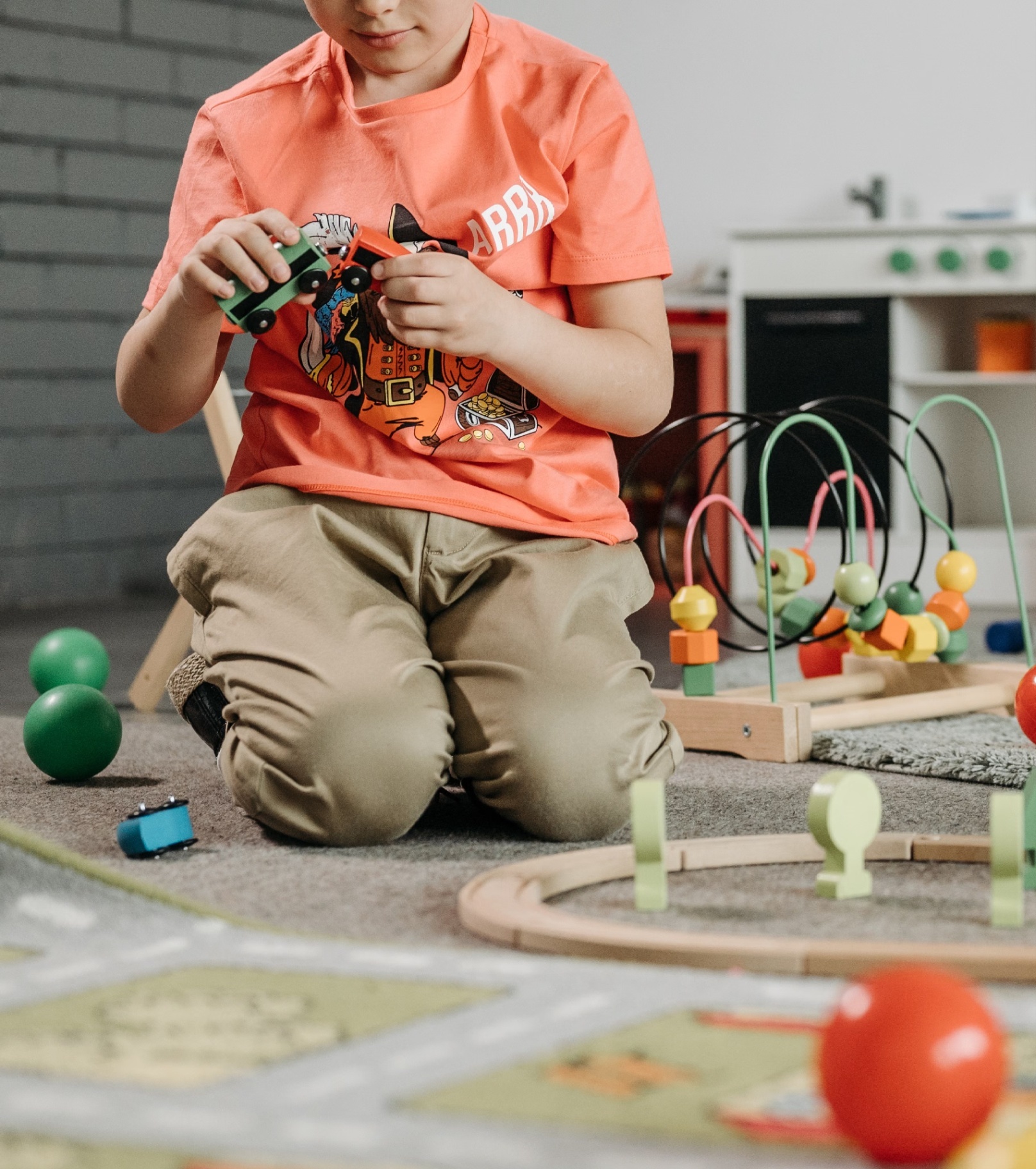 needed to articulate what is wrong. Play therapy bridges this gap by creating a safe psychological distance, allowing children to express thoughts, explore alternative solutions, and process difficult experiences in a developmentally appropriate way.
Our evidence-based play therapy services help children navigate challenges like anxiety, trauma, behavioral changes, and life transitions while building resilience and emotional intelligence.
Our Play Therapy Modalities
We offer distinct, specialized approaches tailored to your child’s unique personality and needs.
Adlerian Play Therapy
This approach combines the therapeutic power of play with Adlerian psychology, focusing heavily on social connection, encouragement, and purpose. The therapist balances directive (guided) and nondirective (child-led) techniques to help children master the “Crucial Cs”:
Connect: Feeling a sense of belonging in family and peer groups.
Capable: Growing confident in their personal abilities and autonomy.
Count: Recognizing that they matter and make a difference.
Courage: Developing the resilience to face challenges.
Sandtray Therapy
Sandtray therapy is a powerful, expressive, and narrative technique that utilizes a tray, sand, and an array of miniature figurines. Children use these miniatures to build scenes or three-dimensional stories within the sand, providing a symbolic representation of their internal world. This safe, tactile process allows children to externalize and process trauma, untangle complex thoughts, and visually rewrite difficult narratives.
Child-Centered Play Therapy (CCPT)
This nondirective, child-led approach provides complete relational acceptance. The therapist creates a warm and permissive environment, following your child’s lead while gently reflecting back their emotions. By setting the pace of their own healing journey, children naturally build self-awareness, improve self-regulation, and grow into their own unique potential.
What to Expect
Initial Intake: We meet with caregivers and child first to understand your child’s developmental history, strengths, and family dynamics.
Consistent Session Structure: Sessions typically occur weekly in a dedicated space equipped with intentionally selected toys.
Caregiver Collaboration: We work closely with parents through regular check-ins, offering insights and tools to help reinforce positive changes at home.
Play therapy services at MWR Counseling are provided by Lauren Beer, Autumn Puffer, and Natalie Dalton.
Supporting Neurodivergent Children
Neurodivergent children may experience emotions, sensory input, communication, relationships, and the world around them in ways that differ from what adults expect. Therapy can help children better understand themselves and build skills that support regulation, communication, confidence, and connection, while honoring who they are and their natural strengths and personality.
With younger children, play can be an especially effective way to explore these experiences. Through child-led and therapeutic play, therapists can help children practice coping skills, work through sensory or emotional challenges, explore social experiences, and communicate feelings that may be difficult to put into words.
MWR works with children and teens who have been diagnosed with ADHD, Autism, AuDHD, or other neurodivergence, as well as those who have traits but not have not received a formal diagnosis. MWR Counseling does not offer psychological evaluations at this time, but can assist clients with referrals if interested.
Neurodiversity Support for Adults
Neurodiversity is not something that ends in childhood. Adults may seek therapy for support with executive functioning, relationships, emotional regulation, anxiety, burnout, self-understanding, or navigating work and daily life as a neurodivergent person. Depending on your needs, therapy may include practical strategies, exploration of identity and self-advocacy, relationship work, or support in understanding how your brain processes emotions, expectations, and the world around you. We offer individualized support for adults who are exploring or living with neurodivergence, with an emphasis on understanding yourself rather than trying to fit into a particular mold.
Interested in learning more? Check out our blogs:
The Healing Power of Sand Tray Therapy
Fostering Growth Through Childhood’s Stumbles
How Play Therapy Helps Children with Anxiety
Adlerian Play Therapy: Understanding the Connection Between Behavior, Belonging, and Emotional Needs