


Could I Have ADHD as an Adult? Signs of ADHD That Are Easy to Miss
by Mackenzie Oakley, tLMFT
When you think of ADHD what comes to mind?
Maybe it’s a child who struggles to sit still or has difficulty paying attention in school. While these can be common characteristics of ADHD, as a therapist I have realized that the reality is that ADHD can look different person to person, especially in adulthood.
Many adults live with ADHD symptoms for years without recognizing them. Instead, we see adults describing themselves as forgetful, disorganized, easily overwhelmed, unmotivated, or no matter what they do, always feels behind on their everyday responsibilities. If any of this sounds like you, have you ever wondered why you struggle to complete tasks, even when you genuinely want to get them done? Or have constantly forgotten appointments, having a hard time keeping your home organized, or managing your schedule feels more difficult than it seems for others?
You might be surprised to learn that these experiences could be attributed to undiagnosed ADHD.
What Does ADHD Look Like in Adults?
Attention-Deficit/Hyperactivity Disorder (ADHD) is a neurodevelopmental condition that affects attention, impulse control, and activity levels. Although ADHD is often associated with childhood, symptoms do continue into adulthood if left untreated.
ADHD can look different for everyone, especially depending on what type of ADHD is present. Some individuals experience more inattentive symptoms, while others experience more hyperactive and impulsive symptoms. Some people can experience a combination of both.
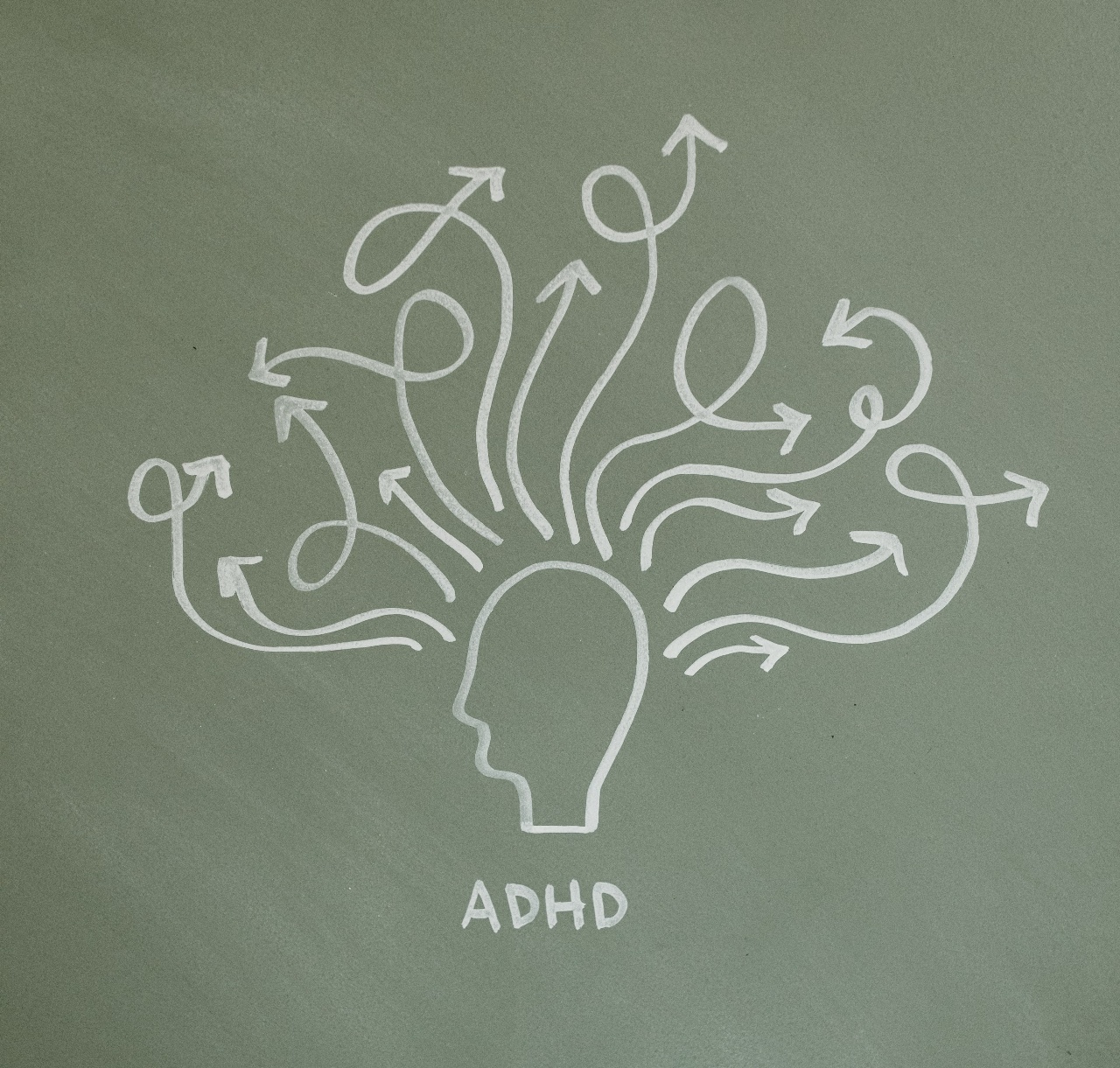
In adults, hyperactivity may not always look like constantly moving or being unable to sit still, as we often see in children. Rather, it can show up as internal restlessness, racing thoughts, difficulty relaxing, or constantly feeling like you need to be doing something. This is one reason ADHD can sometimes go unnoticed until adulthood.
5 Signs of ADHD in Adults That are Easy to Miss:
1. You struggle to start or finish tasks.
You may know what you need to complete, maybe it’s laundry, answering emails, or scheduling appointments. You may even have a mental or written list of everything you need to accomplish. But actually getting it started feels like an entirely different challenge.
You might find yourself:
- Putting off tasks even when you know they are important.
- Starting multiple tasks or projects but struggling to complete them.
- Feeling overwhelmed when you’re trying to start something.
- Waiting until the last minute.
- Spending more time thinking about a task than actually doing it.
2. You frequently forget things, loose track of time, or feel disorganized.
For some adults with ADHD, staying organized and managing time can feel like a constant challenge.
Other examples might include:
- Forgetting important dates, deadlines, or appointments.
- Frequently losing personal belongings.
- Having difficulty remembering instructions.
- Underestimating how long tasks will take.
- Losing track of time while completing activities.
- Relying heavily on reminders, calendars, and lists to stay organized.
- Constantly rushing, feeling behind schedule, or surprised by how quicklytime has passed.
3. You constantly feel overwhelmed by everyday responsibilities.
Sometimes, it isn’t one major responsibility that feels overwhelming. It’s the combination of several small things. Responding to emails, paying bills, doing laundry, preparing meals, keeping up with work, and maintaining relationships can feel like an endless list of responsibilities.
You may find yourself struggling to prioritize, unsure where to begin, or mentally shutting down when too many things need your attention at once.
For adults with ADHD, managing multiple demands can require significant mental effort, even when those responsibilities seem relatively simple to others.
4. You zone out and have difficulty holding attention.
You genuinely care about what someone is saying, but sometimes your mind seems to wander without you realizing it.
You might:
- Lose track of conversations.
- Need people to repeat information.
- Become distracted by background noises or your own thoughts.
- Have difficulty following lengthy instructions.
- Realize you’ve missed part of a conversation even though you were trying to listen.
This can sometimes create frustration in relationships, especially when others interpret difficulty maintaining attention as disinterest or not listening.
You may also notice difficulty staying focused on tasks that require sustained attention, particularly when they feel repetitive or uninteresting.
5. Your mind feels like it’s always running.
Not everyone with ADHD experiences physical hyperactivity. For some adults, restlessness can feel more internal than external.
You may feel like your mind is constantly moving from one thought to another. Even when you have an opportunity to relax, you might find yourself thinking about everything you need to do next.
This might look like:
- Constantly thinking about upcoming responsibilities.
- Feeling uncomfortable sitting still for extended periods.
- Frequently switching between activities.
- Struggling to quiet your thoughts.
- Feeling like you always need something to occupy your attention.
- Having difficulty slowing down, even when you are exhausted.
- Some individuals with ADHD also experience difficulties managing frustration and emotional responses. Unexpected changes, stressful situations, or everyday inconveniences may feel particularly overwhelming.
Why ADHD Can Go Undiagnosed and What Can Help
Many adults go undiagnosed with ADHD because they’ve developed coping strategies to manage their symptoms or have learned to compensate for their challenges. However, as responsibilities increase, managing work, relationships, finances, and everyday tasks can become more difficult.
If you recognize some of these experiences in yourself, it doesn’t automatically mean you have ADHD. Anxiety, depression, chronic stress, and sleep difficulties can cause similar challenges. A professional evaluation can help identify what may be contributing to your experiences.
You don’t have to keep feeling like you’re falling behind or aren’t trying hard enough. Understanding how your brain works can help you find strategies and support that better fit your needs.
If you have questions about ADHD, consider reaching out to a mental health professional to explore your concerns.
Interested in learning more? Check out our blogs:
ADHD vs Anxiety: Understanding the Overlap
Perfectionism and Anxiety: Moving from Self-Criticism to Self-Compassion