


How Play Therapy Helps Children with Anxiety
by Lauren Beer, tLMFT
As a therapist, one of the most common reasons parents seek my help is because their child is struggling with anxiety. But when a worried parent sits in my office, they often ask, “How are you going to get my eight-year-old to sit on a couch and talk about their fears?”
The answer may or may not surprise you: I don’t. Instead, we play.
To adults, play is just recreation. For children, play is their natural language, and toys are their words.Traditional talk therapy relies on a level of verbal expression and emotional awareness that young brains haven’t developed yet. Play therapy bridges this gap. It gives children a safe, developmentally appropriate way to process big, unfamiliar, or scary feelings, and the way they can do so is through play. Here is a closer look at how play therapy helps children navigate and overcome anxiety.
How Can Playing Really Communicate Anything?
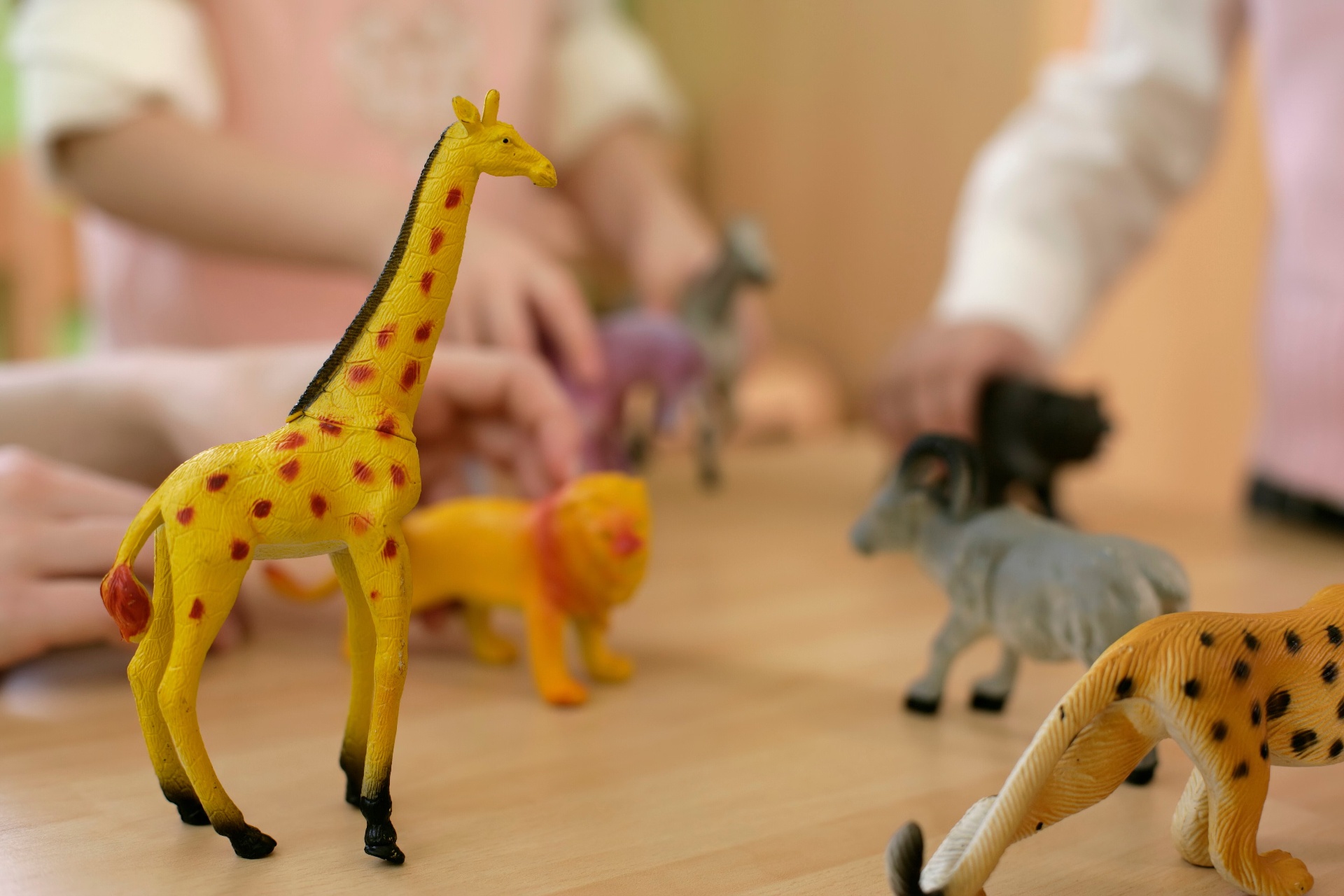
As a play therapist, I use toys to help children express what is happening in their world. Different items can connect with your child in different ways. For example, sandtray play and figurines allow children to create a physical representation of their inner world or a specific experience or feeling. These activities give them the power to overcome and control fears and outcomes. Puppets and dolls allow children to externalize their experiences, acting out their inner thoughts and feelings without the pressure to own them. Artistic and physical activities allow kids to release physical tension, regulate, and channel anxious energy into a creative or active outlet. Games with rules allow children to experience structure and predictability with clear expectations and manageable boundaries. Different toys speak to different kids, which is why the playroom has a little bit of everything to ensure every kid can find a way to express what they want.
How Play Therapy Works for Anxious Kids
When an anxious child engages in play therapy, several things happen:
The emotional stakes of sharing their inner world are lowered. By projecting their fears onto toys, children can explore scary scenarios from a safe distance. This process stops the anxiety from feeling like it defines them.
It changes how their nervous system responds. An anxious child lives in a state of high alert. The play therapy room is a judgment-free zone where the therapist coregulates with them. This environment of safety and security can help calm their overactive nervous system.
The child’s emotional vocabulary blossoms. As the child plays, the therapist reflects their emotions back to them (e.g., “That bear looks like he’s worried the storm won’t stop”). Over repeated reflections, this helps the child identify and name their own feelings.
It teaches problem-solving. In play, children can try out different solutions to a problem without any real-world consequences. If a block tower falls or a toy character gets trapped, they practice coping with frustration and handling different outcomes.
Trusting the Process
If your child is starting play therapy, it might look like “just fun and games” from the outside, or seem similar to play your child may engage in at home. But beneath the surface, emotional work is taking place. By meeting anxious children where they are and using play as a form of communication, play therapy helps them recognize their worries, build resilience, find language to describe their experience, and discover that they are capable, courageous, connected, and they count.